By industry
AI for Restaurants and Hospitality in Vancouver
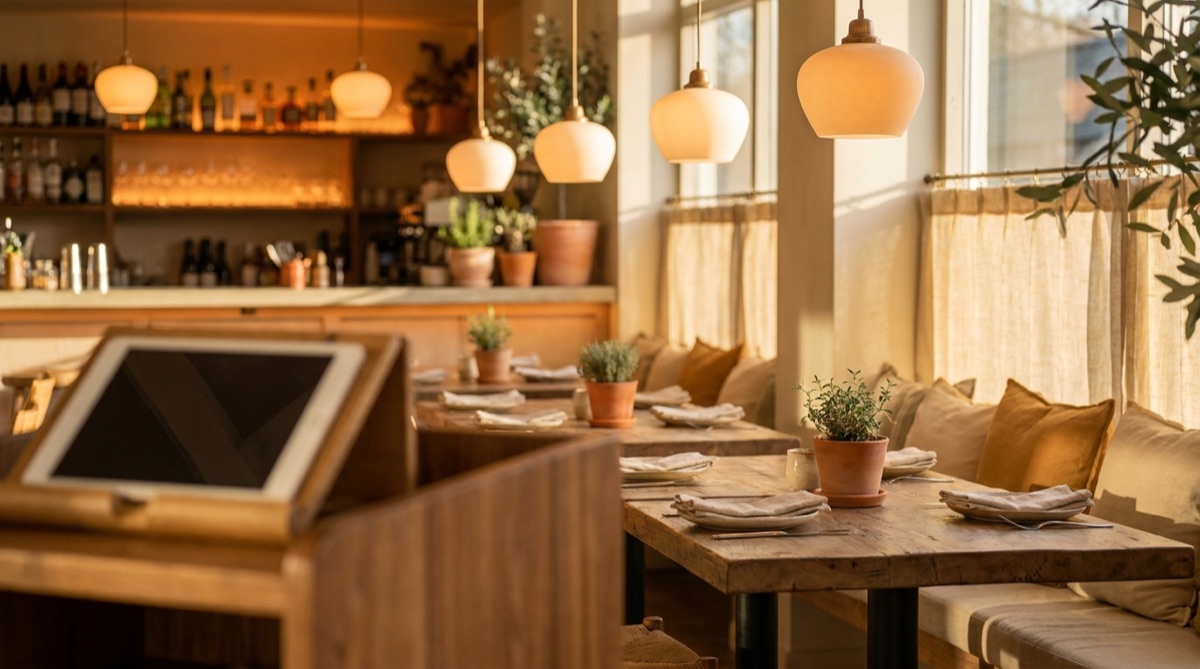
In restaurants and hospitality, AI is most useful behind the scenes — handling reservation calls and messages, chasing and replying to reviews, forecasting covers for rostering and ordering, and pulling together the numbers an owner normally assembles by hand. It is least useful anywhere it touches the guest experience you are actually selling.
Vancouver's dining scene is competitive, staffing is tight and margins are thin. That makes administrative time expensive — and administrative time is exactly what this technology removes.
Where it pays
- Reservations and enquiries outside service. Calls arrive while your team is mid-service. An assistant that answers, takes bookings into your real system, handles changes and answers the same questions about dietary options, parking and group sizes captures covers you were losing to voicemail.
- Reviews, systematically. Hospitality lives and dies by them. Automating the ask after a visit, and drafting first-pass replies for a manager to approve, keeps a steady flow without adding a nightly task.
- Forecasting covers. Combining your booking history with day of week, weather and local events produces a better staffing and ordering estimate than memory does. Better forecasts cut both waste and the scramble.
- Supplier invoices. Hospitality generates a lot of them, in a lot of formats. Automated extraction and coding, with a person approving, is a well-defined saving.
- The weekly numbers. Covers, average spend, labour percentage, waste — assembled automatically with a short summary of what changed.
- Menu and marketing copy. Drafts for descriptions, specials and social posts, edited by someone with taste.
Where it does damage
- Anything that replaces welcome. The greeting, the recommendation, the read of a table — that is the product.
- Automated replies to complaints. A guest who had a bad night can tell, and a generic apology confirms they did not matter.
- Over-automated phone systems. A caller trying to move a birthday booking should reach a person quickly.
- AI-written descriptions of dishes nobody checked. Allergens and provenance are not a place for plausible-sounding text.
Being found in the first place
For restaurants, the highest-return "AI" work is often plain visibility. Your Google Business Profile — current hours, menu, photos, reservation link, holiday hours — drives an enormous share of local discovery, and increasingly feeds what AI assistants say when someone asks for a recommendation. Our Google Business Profile checklist and how to get found in AI search cover that in full.
Where to start
Start with whichever costs you the most: if you are missing booking calls, start with reservations. If your review flow is thin, automate the ask. If neither is broken, the weekly reporting is usually the least disruptive first win. Do one, measure it against how things worked before, and only then add another.
Our free AI Opportunity Scan will tell you which of these is worth doing in your specific operation — including when the answer is none of them yet. If your website and Google presence need sorting first, the Starter Pack covers that.